Salt Lake City Foundation Repair You Can Trust—From Cracks to Structural Settlement
Foundation repair in Salt Lake City addresses settling, bowing walls, cracks, and structural damage using helical piers, push piers, wall anchors, carbon fiber reinforcement, polyurethane injection, and underpinning. Salt Lake City foundations fail due to expansive clay, freeze-thaw cycles, and groundwater pressure. Rhino Foundation Systems offers all repair methods, industry-leading warranties, 40 years of Salt Lake expertise, and free inspections.
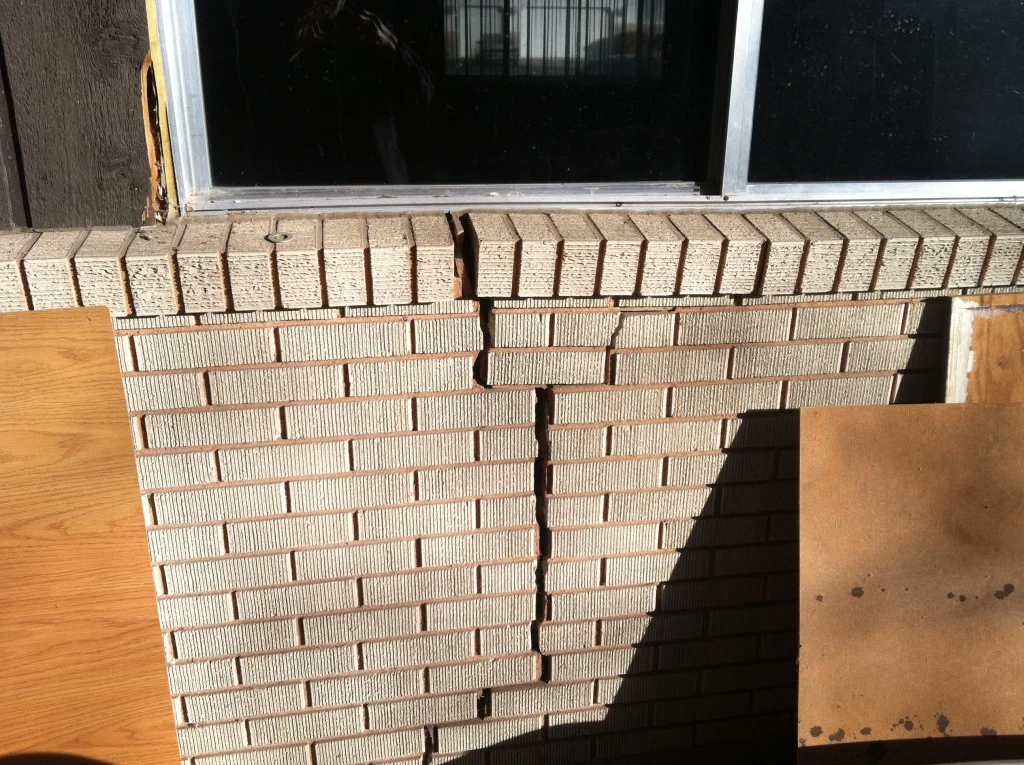
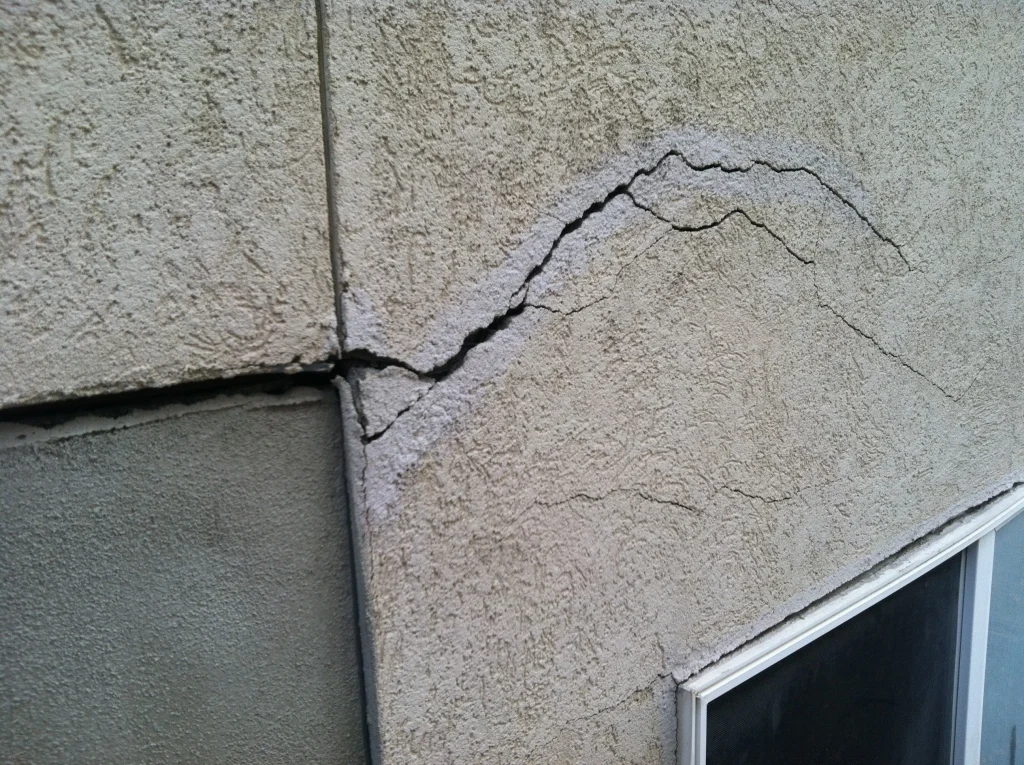
A cracked, settling, or bowing foundation isn’t a cosmetic issue. It’s a structural emergency that threatens your home’s safety, value, and livability. At Rhino Foundation Systems, we’ve spent 40 years repairing Salt Lake City’s most challenging foundation problems—from minor cracks that signal bigger issues to severe structural settlement and wall failure.
We don’t just patch foundations. We restore their structural integrity using industry-leading repair methods: helical piers for deep underpinning, push piers for soil settlement, wall anchors for bowing walls, carbon fiber reinforcement for strength, polyurethane injection for concrete repair, and complete underpinning systems for homes on compromised soil.
And we back every foundation repair with industry-leading warranties because we know foundation work demands absolute confidence.
Why Salt Lake City Foundations Fail
Foundation problems aren’t random. They’re caused by specific conditions—and Salt Lake City has many of them.
Salt Lake City's Soil Challenges
Much of Salt Lake’s valley soil is highly expansive clay. When it gets wet (spring snowmelt, heavy rain, irrigation), it expands dramatically. When it dries, it shrinks and settles unevenly. This constant movement puts enormous stress on foundations, causing them to crack, settle, and eventually fail. Homes built on the bench areas face different challenges: loose fill, variable soil composition, and poor compaction from original construction.
The Freeze-Thaw Cycle
Salt Lake’s extreme temperature swings—winters dropping below zero and springs warming into the 70s—create relentless stress on foundations. Water enters small cracks, freezes, expands, and widens those cracks. This cycle repeats hundreds of times each winter, accelerating structural deterioration.
Groundwater & Hydrostatic Pressure
Spring snowmelt from the Wasatch Range creates seasonal high water tables. This groundwater applies hydrostatic pressure against your foundation, pushing inward and upward. Without proper drainage, this pressure forces water through cracks and causes walls to bow inward.
Aging Construction Standards
Many Salt Lake homes were built before modern foundation engineering. Older homes lack reinforcement, use inadequate materials, or sit on soil that was never properly compacted. As these homes age, original design flaws become catastrophic failures.
Critical Timeline: Foundation problems develop slowly, but they accelerate quickly once they start. The difference between a small repair and a major reconstruction is often just timing.
Signs Your Salt Lake City Foundation Needs Repair
Early detection saves money and prevents catastrophic failure. Know these warning signs.
Interior Foundation Cracks
- Diagonal cracks in basement or crawl space walls
- Horizontal cracks (more serious than vertical)
- Cracks wider than 1/4 inch that are growing
- Stair-step cracks in brick or block walls
Bowing or Leaning Walls
- Walls that visibly bow inward or lean
- Horizontal cracks paired with wall movement
- Doors or windows in basement that stick
- Visible inward deflection when viewed from above
Settling & Movement
- Cracks in interior walls following foundation lines
- Doors and windows sticking or difficult to open
- Gaps appearing between walls and ceilings
- Cracks appearing or widening over weeks
If you’re seeing any of these signs, a professional inspection is your next step.
Foundation Repair Methods: Which Solution Fits Your Problem
.
Helical Piers (Helical Underpinning)
Best for: Severe settling, deep soil problems, homes that need maximum load capacity.
- Reaches stable soil layers far beneath the surface (sometimes 30+ feet down)
- Provides extremely high load capacity (can support 200+ tons per pier)
- Works even if upper soil layers are poor quality
- Allows for controlled lifting of settled foundations
- Relatively minimal surface disruption
.
Push Piers (Driven Piers / Resistance Piers)
Best for: Settlement of existing foundations, moderate to severe settling, situations where soil conditions are variable.
- Uses foundation weight to drive the piers (no heavy drilling equipment needed)
- Provides immediate and obvious evidence of stability
- Can be installed from inside the home (minimal exterior disruption)
- Faster installation than helical piers
- Extremely reliable—piers can't be driven deeper than they'll support
.
Wall Anchors (Helical Anchors)
Best for: Bowing basement or foundation walls, walls experiencing hydrostatic pressure, preventing further wall movement.
- Stops wall bowing immediately (provides instant resistance)
- Can be used to gradually straighten walls back to vertical
- Works against any amount of pressure
- Permanent installation (no maintenance needed)
- Can be installed without excavating the foundation
.
Carbon Fiber Reinforcement
Best for: Cracked or weakened walls that need strength without major excavation, lightweight repair of deteriorating concrete.
- Carbon fiber is stronger than steel but weighs almost nothing
- Minimal disruption (can be applied without excavation)
- Works on both interior and exterior surfaces
- Prevents existing cracks from widening
- Reinforces weakened concrete before failure
.
Polyurethane Injection
Best for: Cracks that are leaking water, hairline cracks needing structural repair, concrete spall repair.
- Reaches the full depth of cracks (doesn't just surface-seal)
- Polyurethane expands slightly, filling even hairline cracks
- Creates a waterproof seal (stops water intrusion)
- Restores some structural bonding across the crack
- Curing time is fast (hours, not days)
.
Underpinning
Best for: Complete foundation reconstruction, homes with multiple foundation issues, settling affecting large areas.
- Addresses settling across the entire foundation (not just one area)
- Provides uniform support (prevents future differential settling)
- Can be combined with other methods
- Restores homes that are severely compromised
- Permanent solution (if done correctly)
Why Choose Rhino Foundation Systems
40 Years of Salt Lake City Foundation Expertise
We’ve repaired thousands of Salt Lake foundations through decades of varying climate conditions, soil challenges, and construction standards.
All Repair Methods Under One Roof
We’re equipped to perform helical piers, push piers, wall anchors, carbon fiber reinforcement, polyurethane injection, and complete underpinning systems.
Industry-Leading Warranties
We stand behind every repair with industry-leading warranties that reflect our confidence in the work.
Licensed, Experienced Engineers & Technicians
Our team includes experienced engineers who design repairs specific to your home, soil, and conditions.
Honest Assessment & Transparent Pricing
We assess your foundation honestly and explain what you’re really facing—no pressure, no upsell.
Local Availability Throughout Salt Lake City
Whether you’re in the foothills, downtown, the avenues, Sugar House, or any Salt Lake neighborhood, Rhino serves you.
Foundation Repair FAQs
Do I really need foundation repair if the cracks are small?
Small cracks are early warning signs. They indicate your foundation is moving. If the foundation is moving, the cracks will grow. The question isn’t whether you need repair—it’s when. Earlier repair is almost always cheaper than waiting until the problem is severe.
How long does foundation repair take?
Installation timelines vary: Wall anchors: 3–7 days, Helical piers: 1–2 weeks (depending on number of piers), Push piers: 1–2 weeks (depending on depth and number), Polyurethane injection: hours to days, Complete underpinning: 2–4 weeks. Your repair plan will include a specific timeline.
Will foundation repair fix my cracked drywall and doors that stick?
Once your foundation is stabilized, those problems typically resolve. However, if the movement has been happening for years, drywall may need replacement, door frames may need adjustment or replacement, and significant structural damage may require additional work. Your inspection will identify secondary damage that needs addressing.
What happens if I don't repair my foundation?
Foundation problems always get worse. The trajectory typically looks like: Year 1: Small cracks, minor water intrusion. Year 2–3: Cracks grow, doors and windows stick, visible movement. Year 4–5: Structural damage, safety concerns, severe water damage. Year 5+: Potential foundation failure, home becomes uninhabitable. Early repair prevents catastrophic failure and saves tens of thousands of dollars.
Can I finance foundation repair?
Yes. Foundation repair is a major home investment, and we offer flexible financing options to make comprehensive repair accessible. We can discuss payment plans and financing partners during your inspection.
How long will foundation repair last?
Properly executed foundation repair is permanent. Our industry-leading warranties cover the repair for 10–25+ years depending on the method. Foundation repair isn’t a temporary fix—it’s a structural restoration.
Get Your Free Foundation Inspection Today
A cracking or settling foundation won’t stabilize on its own. The damage accelerates the longer you wait.
A free inspection takes about an hour and gives you clear information about what’s really happening with your foundation and what your options are.
No obligation. No pressure. Just honest assessment and professional guidance.